
Oversubscribed Book Club: The New Perimenopause by Mary Claire Haver, MD
Oversubscribed Newsletter
Season: Q3 2026
Summer Rhythms
Book Review by Amanda McGovern, PhD
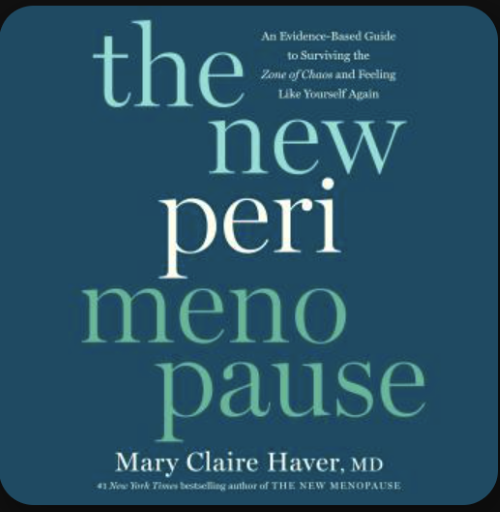
For this quintile’s book club, I read The New Perimenopause: An Evidence-Based Guide to Surviving the Zone of Chaos and Feeling Like Yourself Again by Mary Claire Haver, MD. I’m currently floundering in my own zone of chaos and this book proved incredibly helpful, not only in understanding what is actually happening in my body but feeling validated for what I am experiencing on a daily basis. As she did in The New Menopause, Dr. Haver provides an extraordinary resource for women to feel empowered while navigating this phase of life. I thought that it would be helpful for me to share the most important takeaways that I learned from this book.
The surges of luteinizing hormone (LH) and follicle-stimulating hormone (FSH) and the erratic spikes in estrogen combined with lagging progesterone are the hormonal hallmarks of perimenopause. The brain registers the changing LH and FSH levels even before the menstrual cycle has been disrupted and this shows up as the physical, emotional, and cognitive changes that women experience, including brain fog, poor concentration, sleep disturbance, hot flashes/night sweats, mood instability, fatigue, etc.
In perimenopause, testosterone levels continue their slow and steady decline and can have effects on motivation, cognition, emotional energy, muscle mass and sexual desire. By their late forties and early fifties, women have lost more than half of their peak testosterone levels (p. 60).
The role of estrogen loss in the rise of mental health symptoms, including excessive worry, depressed mood, restlessness, irritability, tearfulness, mood swings, and feelings of hopelessness, during perimenopause has been overlooked (p. 67). Historically, medical professionals have attributed these symptoms to psychological factors and stress and treated them with psychiatric medications (most commonly selective serotonin-reuptake inhibitors).
The emergence of cognitive symptoms including memory lapses, concentration issues, slowed thinking, struggles with time management and organization, and mental fatigue (at times encompassing the term “brain fog”) is the result of the decreased estrogen available to the brain in perimenopause (p. 78-80).
The metabolic syndrome of menopause is a new term developed by Dr. Haver’s research which captures how estrogen loss negatively affects these metabolic processes. This syndrome encompasses preferential weight gain in the abdominal region, increased LDL (low-density lipoprotein, the “bad” cholesterol) levels and triglycerides, and decreased HDL (high-density lipoprotein, the “good” cholesterol) levels (p. 95-96) that occurs during menopause. Dr. Haver encourages women entering perimenopause to routinely monitor these key metabolic markers (e.g., comprehensive metabolic panel, a body composition measurement, a blood pressure test, a full lipid panel, and a high-sensitivity CRP and sedimentation rate tests; p. 117-118).
Since estrogen is a key regulator of the skeletal system, when estrogen levels begin to fluctuate and decline in perimenopause, bone loss is the result (p. 127). Dr. Haver encourages screening practices for osteoporosis to occur in perimenopause.
Estrogen loss in perimenopause also contributes greatly to sacropenia, which is defined as the gradual loss of muscle mass, strength, and physical function. Since muscle loss is reversible, Dr. Haver emphasizes the importance of progressive resistance training, adequate protein intake, and hormonal support when appropriate, to protect against sarcopenia (p. 136-138).
The hormonal changes of perimenopause also cause sleep disruptions, including difficulties falling asleep, multiple nighttime awakenings, less deep and REM sleep, and heightened vulnerability to stress (p. 162). Since estrogen is crucial in regulating the stress response system, when estrogen starts to fluctuate and decline, erratic cortisol spikes are the result. These cortisol spikes are not only responsible for waking us up at night but also linked to insulin resistance, increased belly fat, poor memory consolidation and heightened risk for anxiety and depression (p. 163). Dr. Haver not only discusses the value of menopause hormone therapy but also cognitive-behavioral therapy for insomnia (CBT-I) and supplements like magnesium, l-theanine, and melatonin (p. 165-167).
Genitourinary syndrome of menopause (GSM) is a term that encompasses the vaginal symptoms (e.g., dryness and thinning of the vaginal tissues), urinary tract symptoms (e.g., increased frequency, urgency, incontinence, frequent UTIs), and changes in sexual function (e.g., pain during intercourse, decrease in arousal, decline in sexual pleasure) caused by the declining estrogen levels during and after menopause (p. 177). With hormones, lifestyle interventions, and medications, Dr. Haver believes that “[women’s] sexual health is worthy of care” and encourages women to advocate for themselves.
Menopause hormone therapy (MHT), previously known as hormone replacement therapy (HRT), serves to address the fluctuating and declining hormone levels associated with perimenopause and menopause. This therapy has proven immensely valuable to many women, but it is also a nuanced therapy with numerous considerations, potential risks, and specific contraindications (see Chapter 14 for all the specifics).
Overall, Dr. Haver emphasizes the importance of implementing a new diagnostic framework for perimenopause as well as educating the medical profession and the general public. She strongly believes that women should no longer suffer through this period of their lives. I know that these takeaways can feel daunting, but my hope is that this information provides you with a greater understanding of the biological basis of all these changes and numerous strategies to effectively navigate the zone of chaos.
Haver, Mary Claire. (2026). The New Perimenopause. Rodaic Books.